
Guafengzhai lies in the Yiwu tea region of Yunnan, close to the border with Laos.
It is one of the last villages in a quiet valley, surrounded by forested mountains. The wind moves through the village all year, which is how it received its name. From the edge of the village it is only a short walk to the border.
The old tea trees here grow deep inside the forest, mixed among taller trees, far from any road. Many of them have never been cut back or heavily managed. They stand tall, their leaves catching only soft, filtered light. The air is cool and damp, and the tea that comes from these trees carries the quiet, unhurried character of the place.
Within Guafengzhai there are different areas, each with its own feeling:
Gushu comes from the older trees.
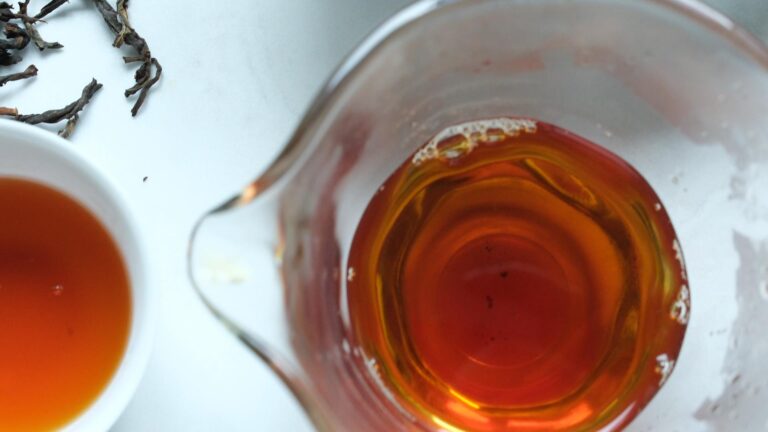
Among them, tea from places like Cha Wang Di (the Tea King area), Bai Sha He (White Sand River), Cha Ping Di, and the trees closer to the village (Jia Bian) are especially valued. The older trees tend to give a deeper, slower cup. The liquor is richer in the body, with a sweetness that stays on the tongue and a quiet strength that unfolds slowly over many infusions. It does not rush. It asks you to stay with it.
Dashu comes from large, mature trees.
These offer a clear, balanced cup with good body and a gentle sweetness. They are easier to approach than the oldest trees, yet they still carry the mountain — the cool air, the forest, the soft light.
Taidi comes from younger trees.
Lighter and more straightforward, they show the fresher side of Guafengzhai. The cup is clean and open, with less depth, but still the same quiet mountain character.
Each of these teas comes from the same valley, yet each one speaks a little differently.
The older trees speak more slowly. Their flavor opens gradually, and what remains after the cup is emptied is often a long, soft sweetness and a sense of the place itself.
That is the feeling we try to keep in every cake we share — not just the taste, but the quiet of the mountain, the wind through the trees, and the time it takes for something good to unfold.
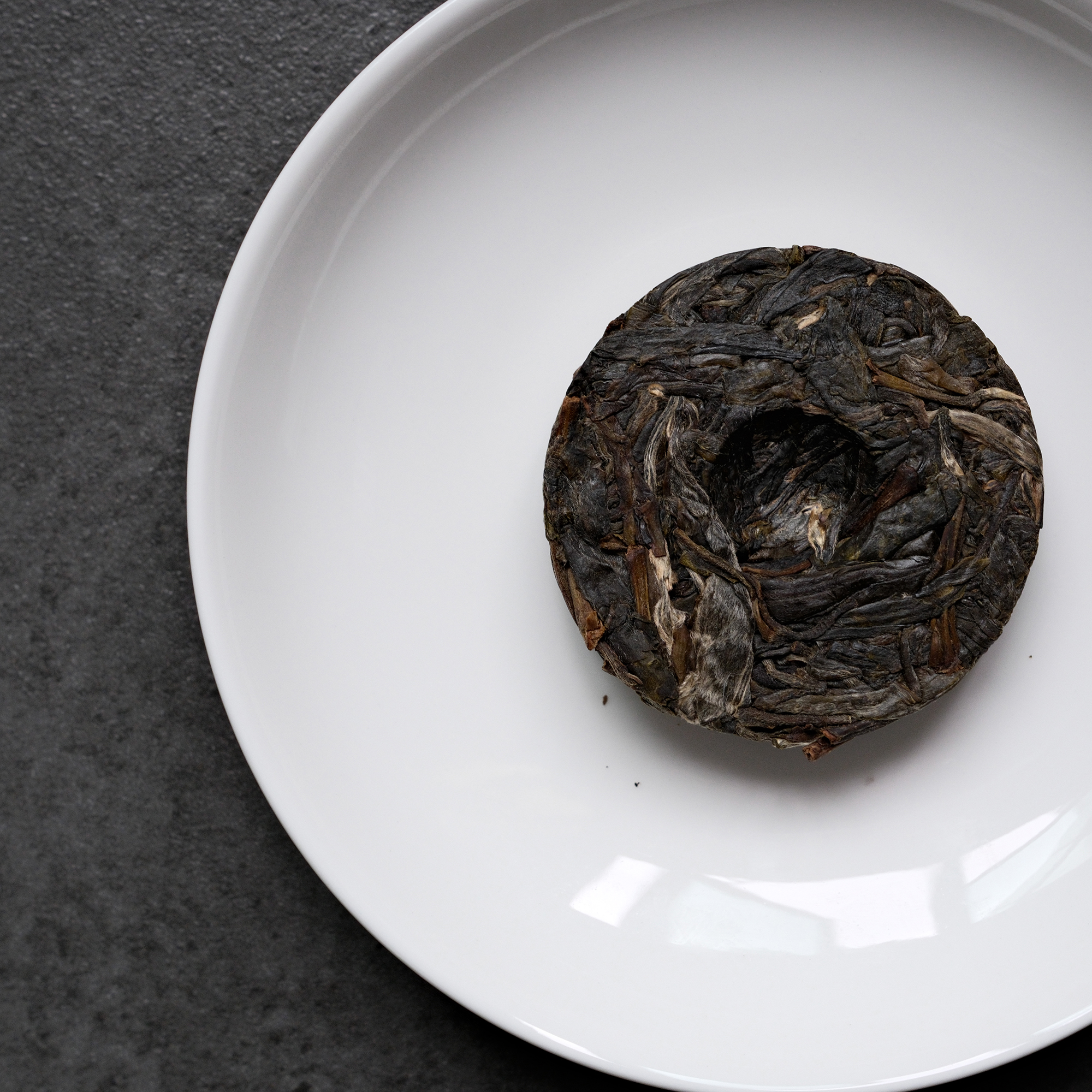
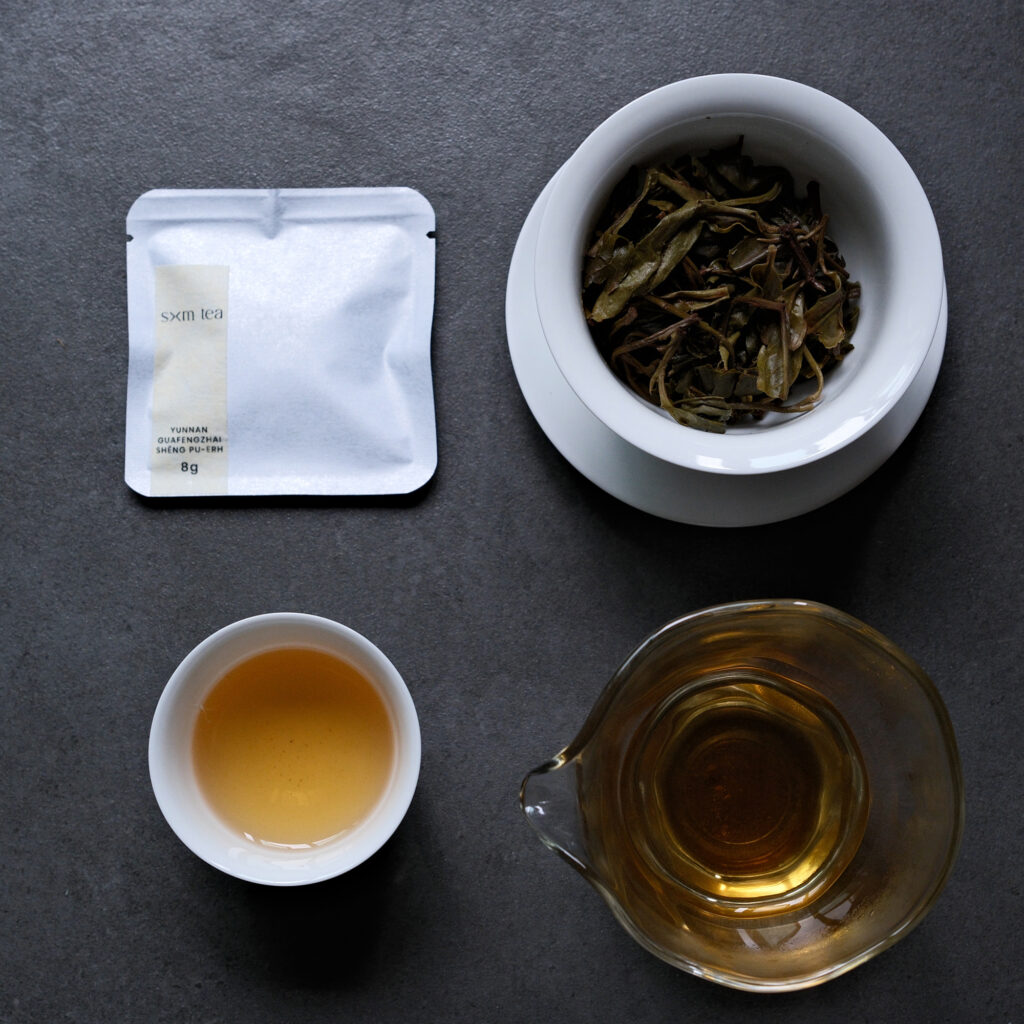
The mini cakes we currently share are from 2026.
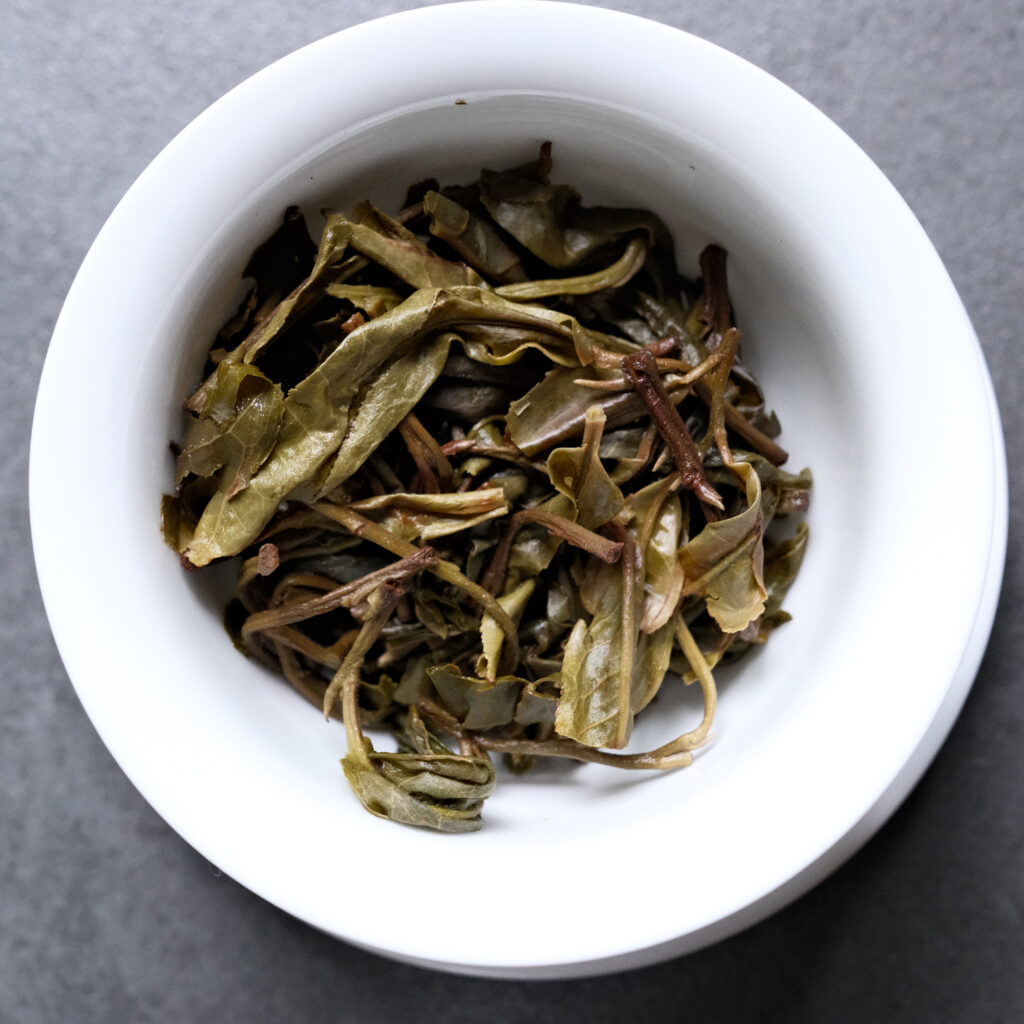
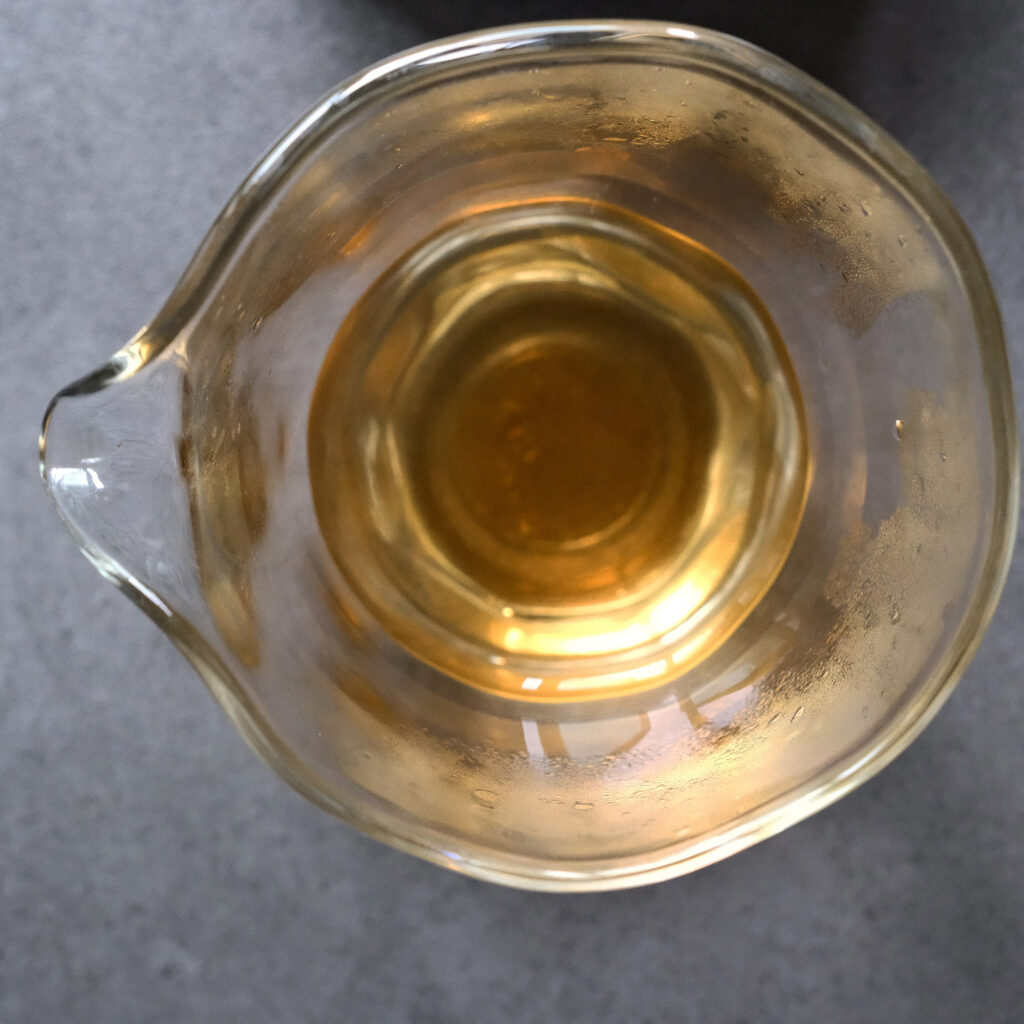
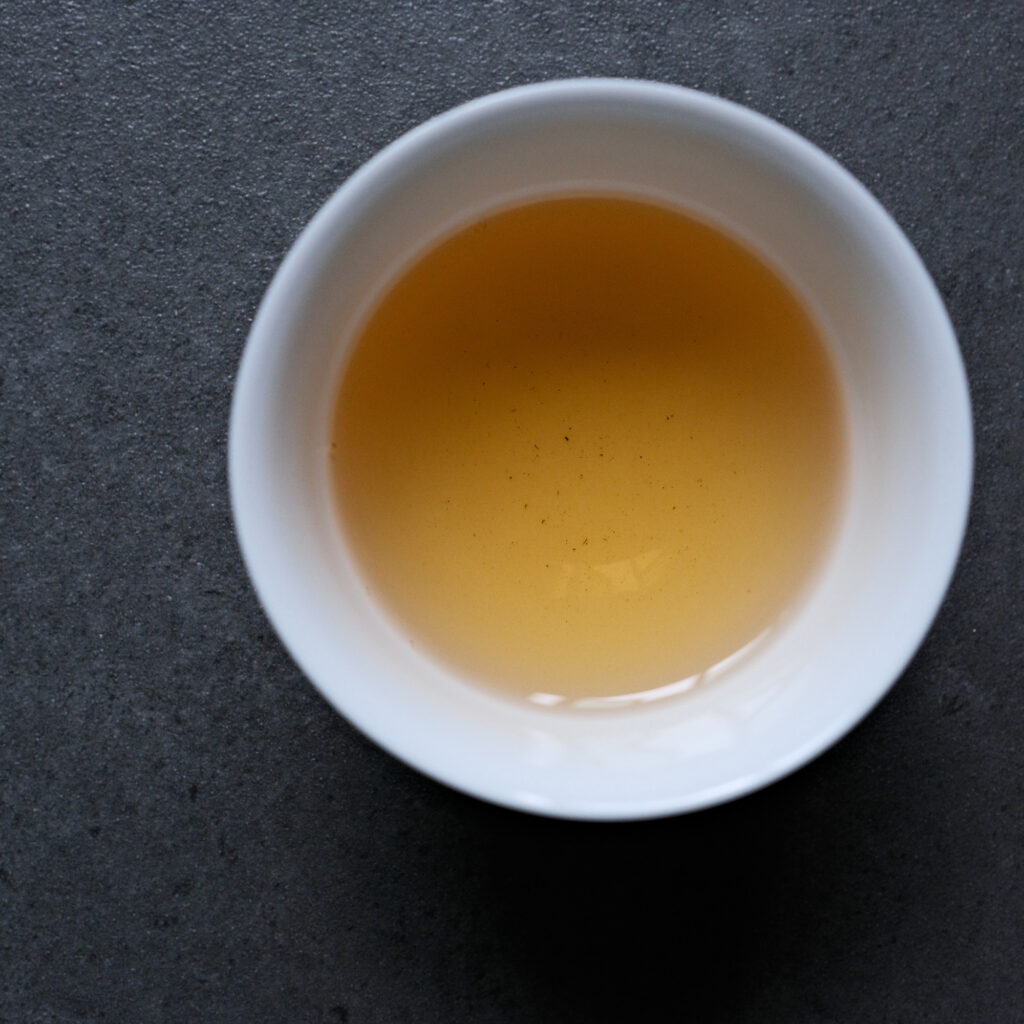
They are small and easy to try — a quiet way to meet Guafengzhai without committing to a full cake. A few grams are enough to sit with the tea for a while, to notice how it opens from one infusion to the next, and to feel the difference between the older trees and the younger ones.
If you would like to taste it, the mini cakes are available in the SHOP –> while they last.
Chat with us