

In the world of wood-fired ceramics, the purest expression of Chai Shao is the long, single firing: the raw pot stands naked in the kiln for days while flame and ash slowly shape its surface. Yet there is another path — the double-fired Chai Shao. It is related, but not the same. Understanding the difference is important for anyone who loves these pieces.
Double-fired Chai Shao means the pot is fired twice. In most cases, the process looks like this:
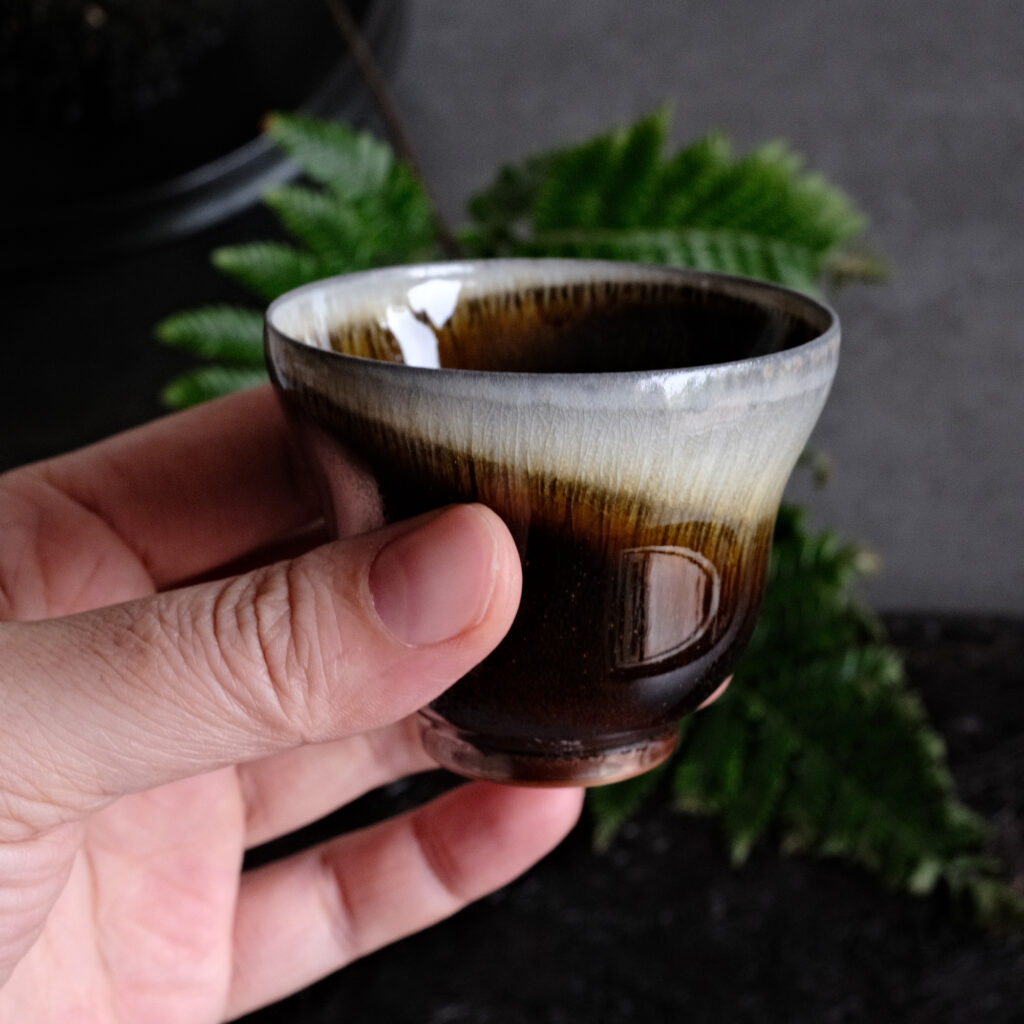
Because the clay has already been fired once, it behaves differently in the long wood firing. The risk of cracking or warping is lower, and the potter has slightly more control. The surface is still shaped by fire and ash, but the character is usually a little more refined and less wild than a true single long-firing piece.
| Aspect | Classic Single Long-Firing | Double-Fired Chai Shao |
|---|---|---|
| Starting material | Raw, unfired clay | Bisque-fired clay |
| Risk during wood firing | Higher (more breakage) | Lower |
| Surface character | Often wilder, more organic | Usually smoother, more controlled |
| Ash and fire marks | Very direct and unpredictable | Still present, but often subtler |
| Philosophical approach | Maximum surrender to the kiln | Balance between control and chance |
Both can be beautiful. They simply tell slightly different stories.
It is a legitimate technique with its own tradition and logic. It is simply not the same as the purest, highest-risk single long-firing.
Double-fired Chai Shao behaves very similarly to classic Chai Shao in use. It works excellently with:
As with regular Chai Shao, very delicate fresh green teas are usually not the best match.
Double-fired Chai Shao is a thoughtful variation of the ancient wood-firing tradition. It still carries the marks of flame and ash, but it arrives at them through a slightly different path — one that balances the wildness of the wood kiln with a measure of preparation and control.
For the tea lover, the important thing is transparency. When a piece is double-fired, it should be described as such. Then the beauty of the surface can be appreciated for what it is: a collaboration between the potter’s skill and the fire, shaped over two firings instead of one.
May your Chai Shao — whether single- or double-fired — bring warmth, character, and many quiet tea moments into your life.
–> Jun Kiln vs Chai Shao vs Yixing > Blog


Chat with us